
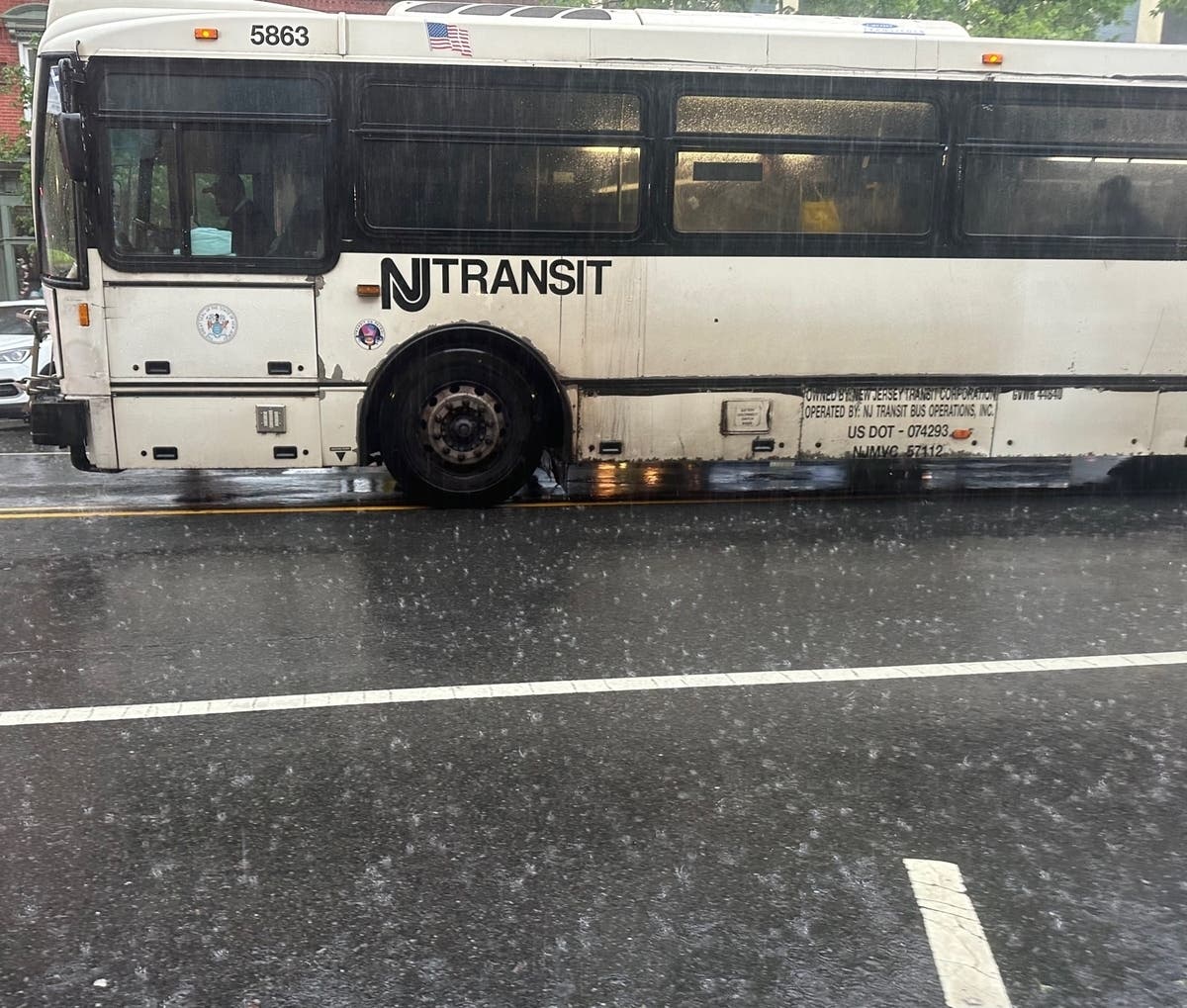
NJ Transit Fare Increases: What You Need to Know
Navigating through the bustling transport system in New Jersey is about to become a bit more costly. As of Tuesday, NJ Transit has implemented new fare hikes that will affect thousands of commuters. Whether you’re a daily rider or an occasional traveler, these changes are likely to impact your budget.
The Details of the Fare Increase
The new fare adjustments were announced months ago, leaving many commuters searching for ways to accommodate the additional expense. This fare hike is NJ Transit’s first in five years and is intended to address operational costs and infrastructure improvements. Here’s what you should know:
- Bus and Light Rail Service: Customers using these services will see an average increase of approximately 9% in fares.
- Train Services: Commuters taking the train should prepare for a similar price escalation, ensuring that they check their usual routes for exact fare changes.
- Monthly Passes: Those who rely on monthly passes will notice the price increases when purchasing their next pass. It’s wise to plan ahead if you’re a regular rider.
For a detailed breakdown of these changes, commuters can visit NJ Transit’s official website for the most accurate information on how these changes will specifically affect their routes.
Impact on Commuters
This fare increase has generated mixed reactions among New Jersey residents. While some understand the necessity for improved services and infrastructure, others are concerned about the financial impact. Commuters from suburban areas into major urban centers will particularly feel the pinch, with many expressing frustration over the additional burden on their monthly expenses.
Transportation and infrastructure engineers assert that these changes are vital for modernizing and maintaining the state’s public transit system. However, it’s crucial for NJ Transit to ensure that commuters see tangible improvements in service quality and reliability.
How to Adjust to the New Changes
Adjusting to the fare hike might seem daunting, but there are strategies you can adopt to manage this transition better:
- Plan Ahead: Budgeting for the new fare increases can help mitigate their impact. Consider allocating a specific portion of your monthly budget to transportation costs.
- Explore Alternatives: If possible, evaluate other transportation options, such as carpooling or telecommuting. These alternatives might offer more economical solutions.
- Stay Informed: Follow updates from NJ Transit and local news outlets to stay informed about potential future changes.
As NJ Transit continues to evolve, communication will be key. For ongoing updates and community discussions, consider following local sources. You can stay connected with local news through Cherry Hill News Today’s facebook and twitter pages to ensure you’re always in the loop.
While these changes might present new challenges, they can also pave the way for a more efficient and sustainable public transportation system in New Jersey. Adjusting to the new fare hikes will require some planning, but with the right strategies, commuters can navigate these changes successfully.