
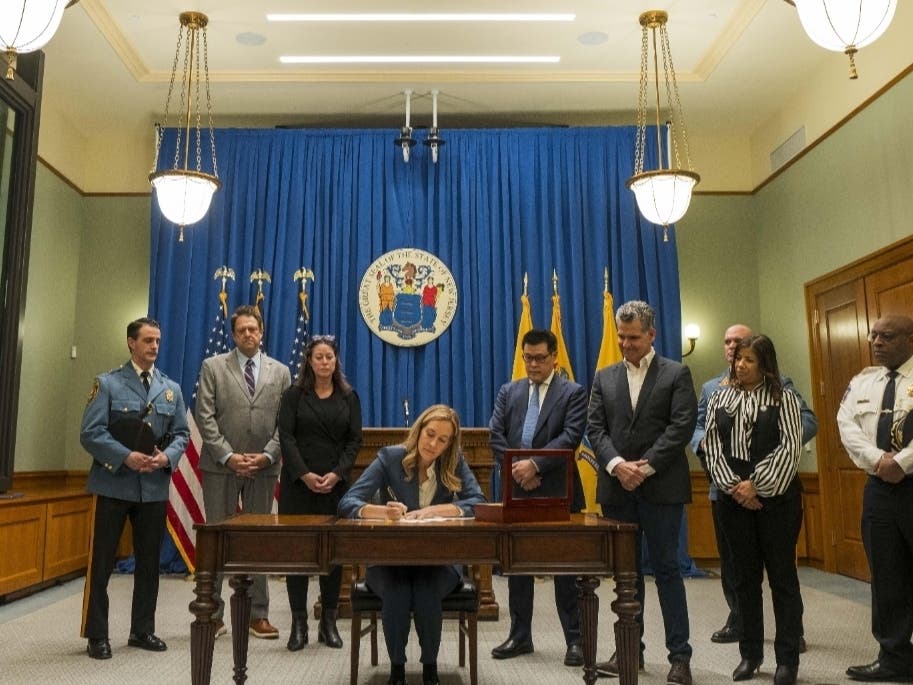
In a significant move impacting immigration enforcement within its borders, New Jersey has taken decisive action to limit the reach of U.S. Immigration and Customs Enforcement (ICE) operations. The newly enacted measures, spearheaded by Governor Mikie Sherrill, aim to restrict ICE’s capacity to conduct operations in sensitive locations such as schools, hospitals, and courthouses.
These measures are part of a broader initiative to ensure the safety and well-being of immigrant communities within the state. By redefining the parameters under which ICE can operate, New Jersey hopes to build a more inclusive environment where residents can freely access essential services without the fear of deportation or detention. The focus is on promoting a sense of trust between immigrant communities and local authorities, ensuring that all residents feel secure when attending school, receiving medical care, or seeking justice.
Governor Sherrill, recognizing the anxiety and disruption caused by ICE operations, underscored the importance of this legislative action in a recent statement. She highlighted that the goal is to create “safe zones” across New Jersey where individuals, regardless of their immigration status, can live without the shadow of fear hanging over them. The governor’s administration has been working diligently with local advocacy groups and law enforcement agencies to formulate guidelines that balance public safety with community support.
This move has been met with praise from immigrant rights organizations, who see it as a vital step in protecting vulnerable populations from aggressive immigration enforcements. These groups have long argued that ICE’s presence in community spaces can deter individuals from accessing critical services, thus negatively impacting public health, education, and public safety.
Additionally, the restrictions set forth by New Jersey are designed to encourage more robust cooperation and communication between state and local agencies and immigrant communities. By fostering trust, these measures are expected to improve the overall efficacy of public services and bolster community resilience.
Social media platforms have seen a flurry of activity as news of New Jersey’s new policies spreads. Advocates and residents alike have been sharing their support and discussing the potential positive impacts on platforms like facebook and twitter. These online discussions underscore a growing awareness and appreciation for policies that prioritize the humanitarian needs of immigrant populations.
While the decision has its critics, particularly among those who argue that it might impede federal immigration enforcement, New Jersey’s leadership remains committed to its course. They emphasize that their primary duty is to safeguard the rights and welfare of their residents, regardless of immigration status.
For those looking to stay informed about ongoing developments and debates on this topic, following Cherry Hill News Today on their social media channels is an excellent way to remain engaged. By keeping up with trusted sources, individuals can continue to participate in crucial conversations around immigration and community safety in New Jersey and beyond.
Ultimately, New Jersey’s proactive stance is a testament to the state’s commitment to inclusivity and human rights, setting a precedent that other states might look to when considering how to best serve their diverse populations. As debates around immigration policies continue to evolve, the Garden State’s approach offers a compelling model for balancing security with compassion.