
In a concerning development for animal owners and enthusiasts alike, a horse in Burlington County, New Jersey, has been euthanized due to contracting the highly dangerous equine herpesvirus (EHV-1). This virus, which poses severe health risks to horses, can lead to respiratory issues, neurological problems, and even death. The Department of Agriculture has since quarantined the affected property to prevent any further spread of this deadly virus among local equine populations.
The unfortunate incident was first reported after the horse began displaying symptoms consistent with EHV-1, including nasal discharge, lack of coordination, and hind limb weakness. Despite the best efforts of veterinarians, the decision to euthanize the horse was made to prevent suffering and to control the potential spreading of the virus among other animals in the vicinity.
EHV-1 is not only a threat due to its severity but also because of its ability to spread rapidly between horses. Transmission can occur through direct horse-to-horse contact, shared equipment, and contaminated surfaces, making it crucial for horse owners to be vigilant and proactive in taking preventive measures. This includes maintaining good hygiene practices, isolating new or sick animals, and seeking veterinary assistance at the first sign of illness.
The state’s Department of Agriculture has implemented immediate quarantine measures on the affected property to prevent any further transmission. They are also conducting thorough epidemiological investigations to trace any possible points of further contamination. Owners in the surrounding areas are urged to be aware of the symptoms and to report any suspected cases to local health authorities.
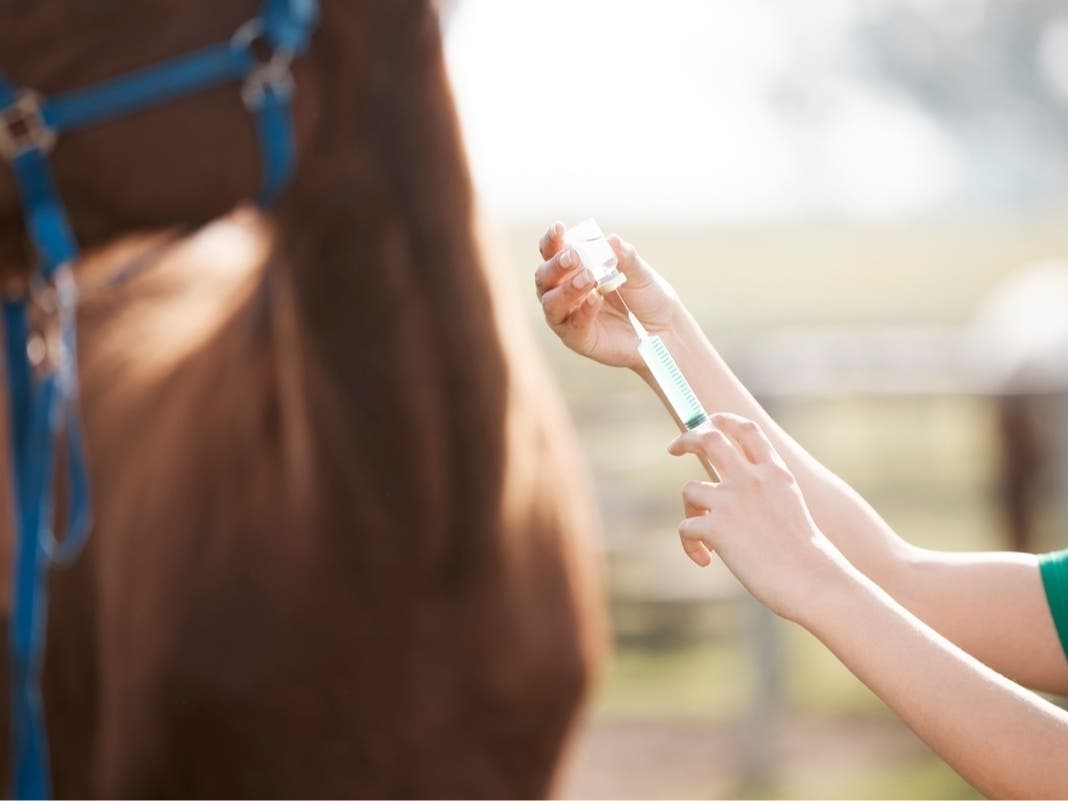
Animal health officials are also emphasizing the importance of vaccinations as a preventive measure against EHV-1. While vaccines do not completely eliminate the risk of infection, they can significantly lessen the severity of outbreaks and reduce the risk of neurological disease. Horse owners are advised to consult with their veterinarians to ensure that their horses are vaccinated and that preventative health measures are in place.
This incident has sparked widespread concern within the local equestrian community, highlighting the ongoing challenges in managing equine health and biosecurity. For real-time updates and local community reactions, you can follow Cherry Hill News Today’s social media accounts on Share(https://www.facebook.com/profile.php?id=61561607604274) and (https://x.com/cherryhillnt).
In times like these, collaboration between horse owners, veterinary professionals, and local authorities becomes paramount to safeguard animal health and ensure that such incidents are swiftly addressed. As the situation develops, staying informed and adopting recommended safety measures can help minimize risks and protect the equine community from further instances of this dangerous virus.
Equine health is a shared responsibility, and together, with heightened vigilance and proactive measures, the community can work towards mitigating the impact of this virus, ensuring the well-being of horses in the region.