
Navigating through Cherry Hill and its surrounding regions might soon become a bit more expensive as key changes are in the pipeline for local drivers. The New Jersey Turnpike Authority (NJTA) recently announced a series of toll hikes set to roll out over the next few years, culminating in 2026. Alongside these increases, a transition to a cashless toll system is also underway. Let’s take a closer look at what these changes mean for Cherry Hill commuters and how they can prepare for the evolving toll landscape.
The announcement of toll hikes has sparked discussions among locals, especially considering the financial strain many families are already experiencing. The NJTA’s decision, however, is part of a larger plan to fund critical infrastructure projects aimed at improving and maintaining roads and bridges across the state. The increased revenue will ensure smoother and safer travel for everyone, but it comes at a cost for daily commuters.
While exact figures are yet to be solidified, preliminary reports indicate a gradual increase in toll fees, which will help fund ongoing and future projects. This move is seen as a necessary step to address infrastructure needs that, if left unattended, could lead to greater expenses in the long run. However, it leaves many Cherry Hill residents concerned about the cumulative impact on their everyday expenses.
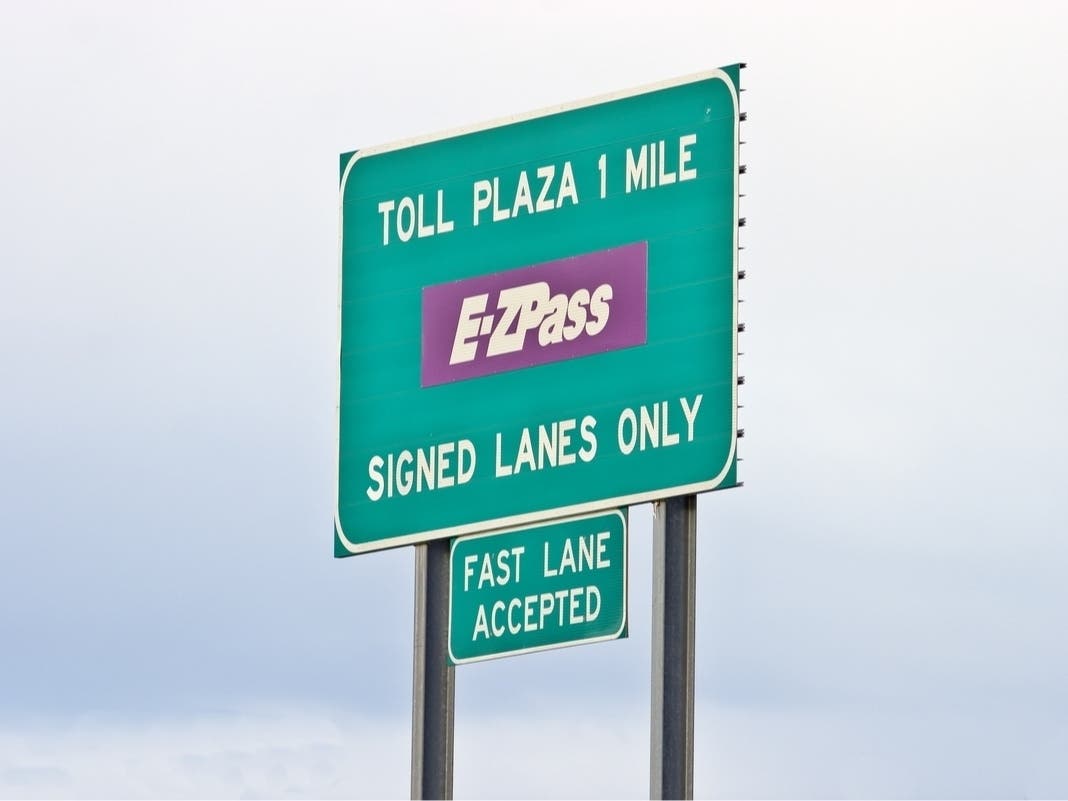
In addition to the toll hikes, the shift to a cashless tolling system is also set to become a key feature of New Jersey’s transportation future. This transition aligns with similar moves in other states, where cashless tolling has been implemented to reduce congestion at toll booths and enhance travel efficiency. For Cherry Hill drivers, this means a more seamless travel experience, but also necessitates adjustments, such as ensuring they have an E-ZPass or similar electronic payment method in place to avoid penalties.
While the move to cashless tolling has its advantages, it also raises questions about accessibility for all drivers. Not everyone may be ready to adapt to the technology-driven system, which could lead to initial challenges. The NJTA has committed to providing detailed information and assistance to help drivers adapt to these changes.
As the changes approach, community engagement and information dissemination become crucial. Cherry Hill residents can stay updated by following local news outlets and joining discussions about how these developments will impact daily commutes. Engaging with platforms like facebook and twitter can provide residents with real-time updates and community insights.
In conclusion, while the toll hikes and cashless tolling system represent significant changes for Cherry Hill drivers, they are aimed at preparing the region for a more sustainable future. The financial implications may be a concern for some, but the promise of improved infrastructure and traffic flow could offer long-term benefits. As the implementation date moves closer, staying informed and preparing for these changes will be essential for residents. By keeping a pulse on local news and actively participating in community forums, Cherry Hill drivers can navigate these updates more effectively.